
Phuktal to
Serchu
Into the wildest part
of Zanskar
This trek starts at one of the most extraordinary buildings in Asia — Phuktal Monastery, built into a cliffside cave above the Tsarap River — and then heads into terrain that very few people have ever walked through. High mountain passes, river valleys, shepherd camps, nomadic grazing grounds, and a profound silence that is hard to find anywhere else. The route crosses two serious high passes and ends at the roadhead near Sechu, with the option to continue to Leh or Manali. This is not a comfortable trek. It is a true wilderness expedition.
Important
This is a remote, unsupported wilderness route. There are no villages, no tea stalls, and no rescue services beyond what your guide can arrange. All food and camping equipment must be carried. A rest day on Day 4 is strongly recommended for acclimatization before the high pass crossing.
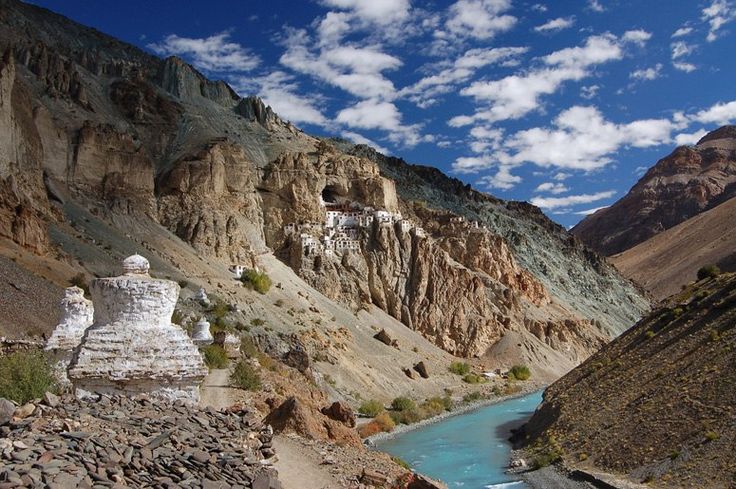
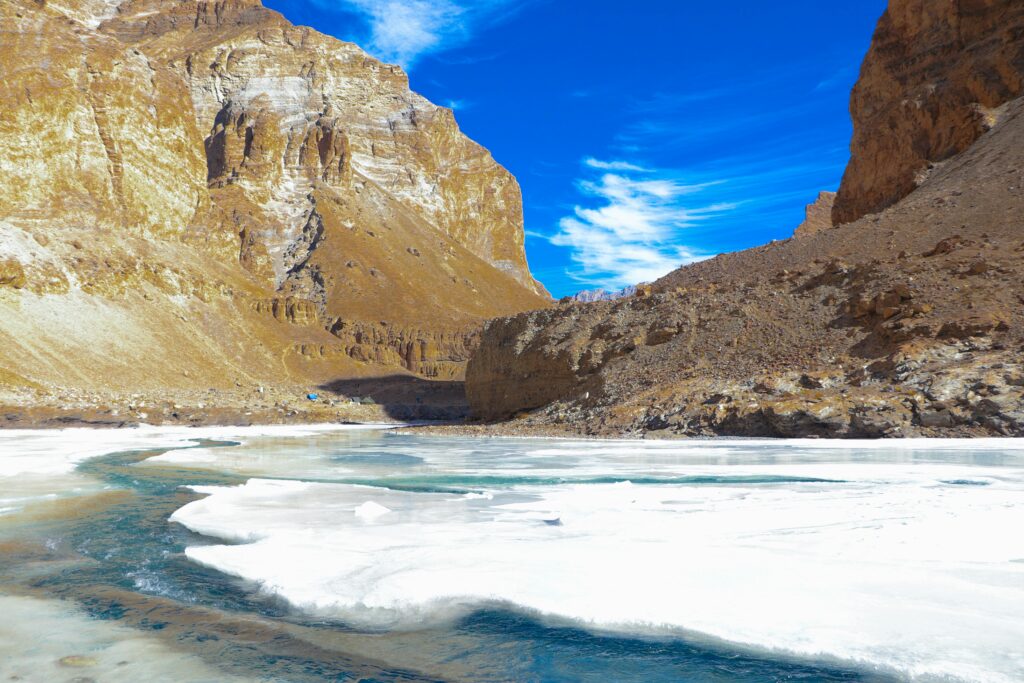
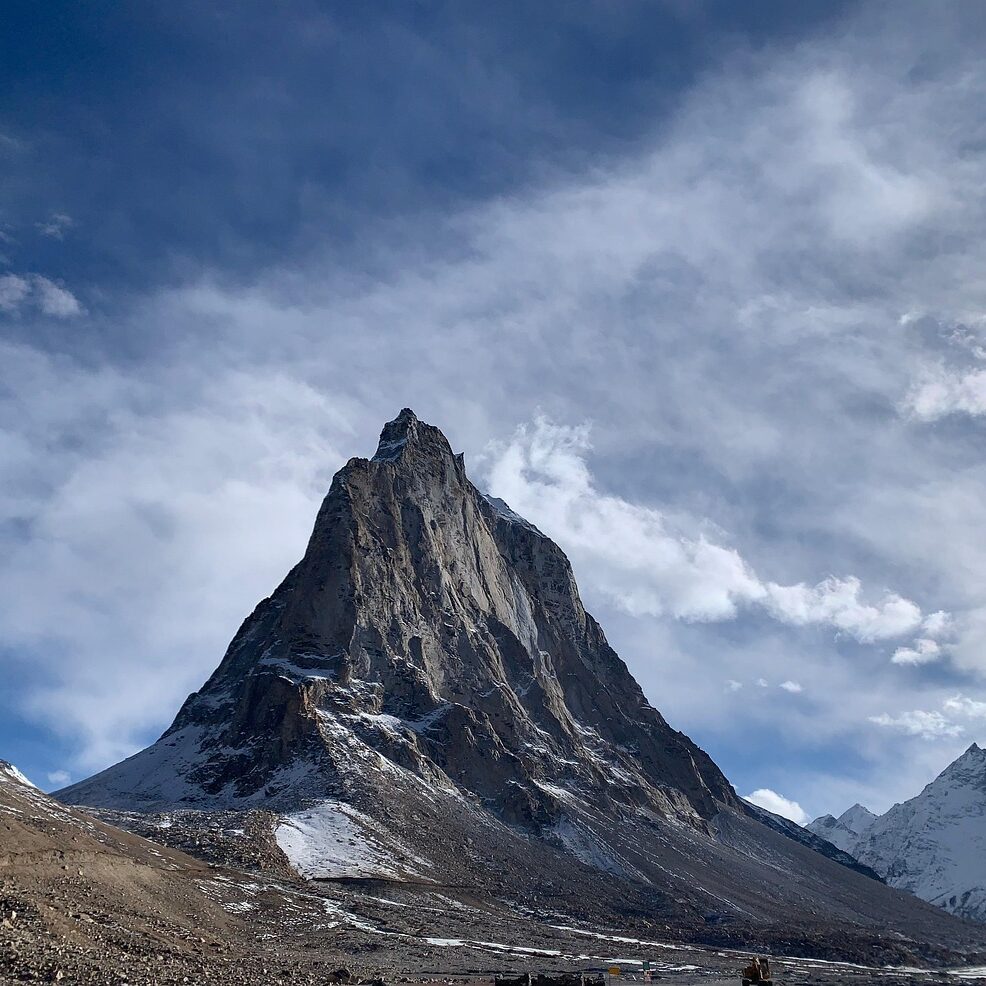
The trek begins at Phuktal Monastery — a 12th-century gompa built directly into a natural cave in the cliffside above the Tsarap River. Spend time visiting the monastery and receiving blessings from the monks if possible. Then begin trekking downstream along the Tsarap River. The trail is mostly gradual, passing through narrow gorges, open valley stretches, and small grazing areas. The sound of the river and the scale of the canyon walls set the tone for the days ahead. Arrive at Yata — a scenic campsite beside the river with open valley views. Camp at Yata.
Continue along the Tsarap River for the first section. The landscape broadens with dramatic rock formations and colourful mountain slopes. Later in the day, the route leaves the main river and follows the Shade Chu stream into a quieter side valley — greener, with summer grazing grounds and patches of wildflowers. Reach Thangtak, a peaceful campsite surrounded by mountains on all sides. Camp at Thangtak.
Today the route turns into the valley of Tso Chu, where the scenery becomes increasingly alpine and remote. Begin a gradual ascent through open meadows and yak grazing areas. The terrain becomes rockier and more rugged as altitude is gained. As you climb, the views become increasingly spectacular — high peaks closing in on all sides. Reach the base camp below Nyalakongtse La, surrounded by high peaks and untouched wilderness. Camp at Nyalakongtse La Base Camp.
A full rest day is strongly recommended before crossing the high pass. Use the day to acclimatize — explore nearby ridges, observe the mountain views, and prepare mentally and physically for the most demanding day of the trek. The altitude here is significant and the pass crossing the following day requires you to be at full capacity. Camp at base camp.
The hardest and most rewarding day of the expedition. Start very early. A steep ascent to Nyalakongtse La — a spectacular high-altitude pass with panoramic views of Zanskar's remote mountain ranges that stretch in every direction. After descending, the route continues toward the second pass, Gothurstar La — crossing rugged alpine terrain, snow patches depending on season, and wide highland plateaus. Descend gradually into the valley and reach Hormoche campsite. Camp at Hormoche.
A more relaxed day after the intensity of the double pass crossing. Trek through rolling pastures, ancient shepherd routes, and remote valleys. The landscape here is used by nomadic herders and their flocks in summer — occasional sightings of marmots and blue sheep. Reach Satak — a beautiful campsite in open grassland with a feeling of complete remoteness. Camp at Satak.
Continue through high-altitude grazing land and broad open valleys. The route offers vast, almost cinematic landscapes — crystal-clear streams, dramatic silence, and a horizon that seems to go on forever. Reach Tsokmitsik, a scenic camping area used by nomads during the summer months and one of the most remote overnight spots on the entire route. Camp at Tsokmitsik.
The last day on foot. Descend gradually through open valleys and grazing lands toward the roadhead near Sechu, locally known as Bayis Mord. The trail passes through terrain that shifts from highland plateau to valley floor as the world of roads and vehicles comes back into view. Vehicles meet the group here. Celebrate the completion of this rare and adventurous route. Overnight camp or guesthouse depending on logistics.
After breakfast, begin the scenic drive toward either Leh or Manali — depending on your onward travel plans. The drive crosses high mountain landscapes, remote villages, and dramatic Himalayan scenery. Trip ends on arrival.